
The Order: 1886
PlayStation 4
Release date:
February 20, 2015
Genre:
Third-person shooter
Single player
Publisher:
Sony Computer Entertainment
Developer:
Ready at Dawn
SCE Santa Monica Studio
Warning: there are spoilers in this review.
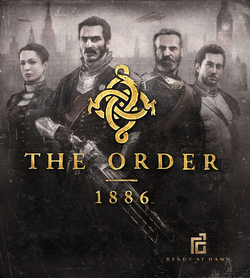
The Order: 1886 is a PlayStation 4 exclusive developed by Ready at Dawn and SCE Santa Monica Studio. The game is set in an alternate history London, so some historical events and people are the same, but there are notable differences other than the strange creatures you encounter. For instance, the engineers are way ahead of their time, inventing items such as wireless communicators and weaponry you wouldn’t expect of 1886. The Order: 1886 revolves around an old order of knights that keep the world safe from “half breeds”, monsters such as lycans and vampires. The knights of The Order each drink Blackwater, the substance from the Holy Grail that not only prolongs their natural life, but also gives them extraordinary healing abilities.
We’re knights of the Round Table, we dance whenever we’re able
Admittedly, The Order: 1886 is beautiful, this is the first thing I noticed about it. However, from the start it failed to really reign me in terms of game play. The prologue was slow and failed to stimulate any interest from me. After a short cut-scene you’re thrown into a quick time event before you have to progress painfully slow down some corridors. I prefer games that throw you into the thick of it with something like a combat tutorial after the initial opening, however, nothing gripped me about the prologue. Even with the knowledge that the protagonist, Galahad, was incarcerated by his own order of knights wasn’t exactly captivating. In fact, using this prologue portion of the game put a dampener on the rest of my play through as I was just waiting for Galahad to be arrested.
The game play is very linear, even when it feels you have some wiggle room, ultimately you really don’t have much to explore. Character movement is slow going and feels clunky in places. Progression can be hampered by your companions, although you both know you want to proceed through a door and the character with you is stating as much, it’s apparently easier said than done. There were multiple times where I had to move Galahad further away for the NPC I was with to start interacting with the door to allow me through. The Order: 1886 has the awful habit of holding your hand throughout your play through. If there was ever doubt about what you needed to do, not only do you have instructions at the top of your screen but the rather obvious white mark always tells you what you need to interact with to progress. There are a few times where there are multiple white marks, meaning you have to search around to find the real evidence you’re looking for. This doesn’t make for interesting game play and simply delays the inevitable of you picking the correct white mark or hitting enough marks to progress eventually.
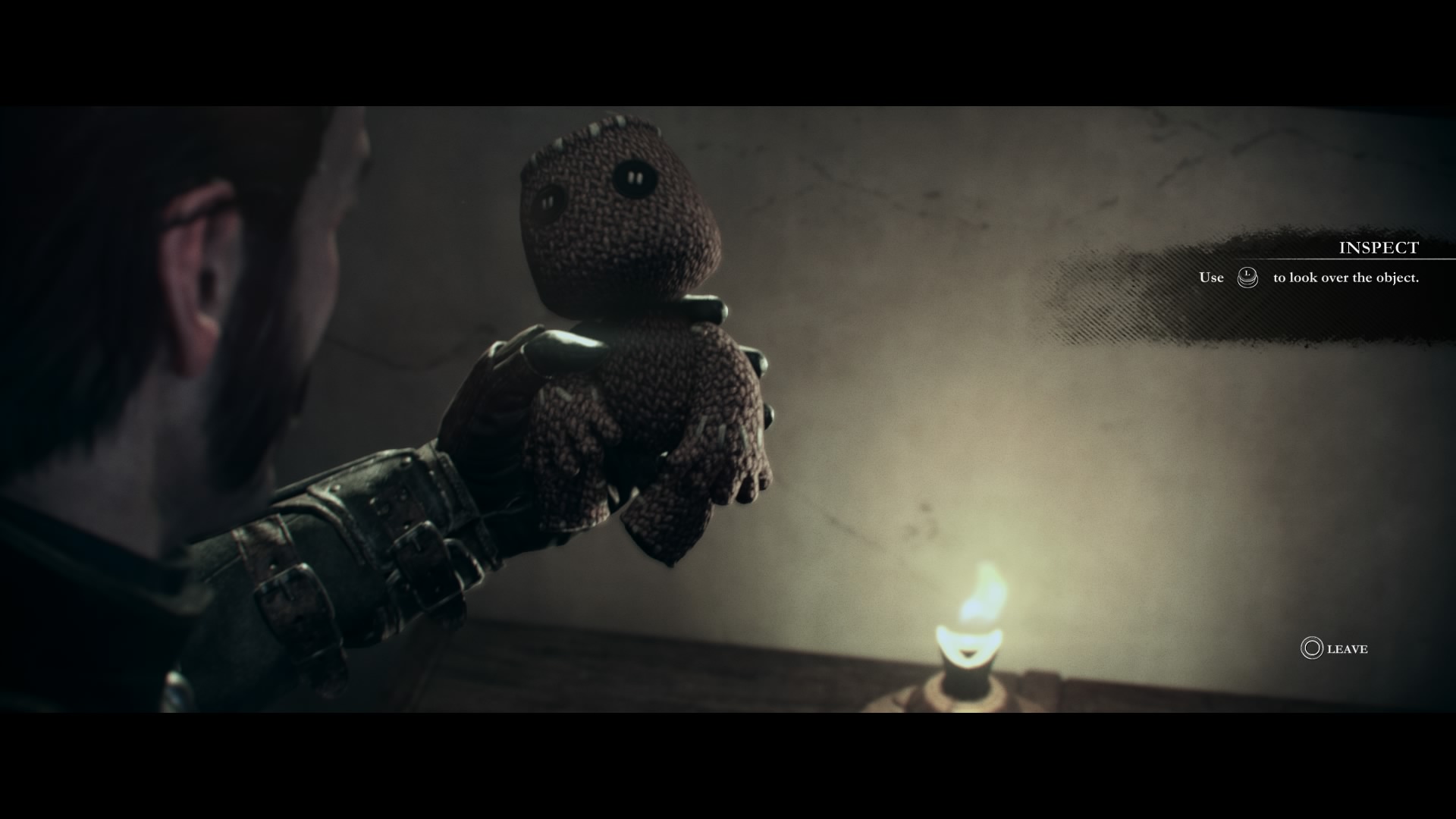
There are many interesting things within the game environment, however, there are only a few that you can interact with, generally collectibles. While there are some insights into the background of this alternate history, with such a detailed environment and interesting premise, I felt as if there should have been more lore to discover by searching your surrounding areas. Also, being given the option to look over objects for absolutely no reason was fairly pointless. Easter eggs are always a nice touch, so kudos for the inclusion of Sackboy.
The combat in The Order: 1886 is fairly standard for a third-person shooter, although it felt a bit unresponsive and slow for me. You get to play with a couple of weird but wonderful armaments, but it feels as though there was a missed opportunity as it would have been more interesting to have more of the fantastical fictional weaponry included, rather than resorting to your standard guns. While I love the film grain of the game that gives it that cinematic feel, the focus effect in combat was extremely annoying and made no sense in a shooting game. It takes so long to focus when you’re trying to aim that you’re not even sure if you’re aiming at a person or a random crate at first.
Another bug bear of mine in regards to the combat is that you always knew when it was coming. The environment of the game is always clearly set up for combat, there is plenty of cover and plenty of weaponry and ammo lying around, just waiting for you to stroll in and start taking out waves of enemies with ease. There were points where it felt as though the waves of enemies would never end, this didn’t make the game difficult, it made it tedious. The few times you encounter more interesting enemies, such as lycans, the combat is particularly underwhelming. The lycans run at you and then run away after one hit, not only giving you ample time to recover from their single attack, but meaning it would be pretty damn hard to not succeed in killing them as they run around like headless chickens. When you encounter the Elder lycan, you expect some epic boss battle, instead you’re faced with more quick time events and really basic combat that makes you wonder which lycan combat is actually worse.
The Order: 1886 also makes a miserable attempt at including a stealth level. The stealth take down seemed so hit and miss and it was irritating that if you failed once you had to start over. This section of the game could have been way more interesting, for instance, none of the guards seemed to bat an eyelid about guards you had already taken out. If you had to remove the guards from view and hide them so as not to alert the others it would have been more of a challenge and definitely more interesting.
The only choice you make in the game is what weapon to use. Don’t get me wrong, I’m not saying that games have to have choices in them for them to be good, but I think it could have worked well within The Order: 1886. This became even more apparent to me during Galahad’s trial when all the other characters are detailing what actions you took to end up in your situation. If you had been given some range in decision, such as whether to approach the order with your missions, or go it alone, which characters to take with you etc. then the trial scene could have been really instrumental in recapping on your player choices. Not only that, but rather than get a unanimous round of “guilty”, depending on your actions you might have been able to convince some of the other knights otherwise. I just think it would have been a nice feature that could have been included without actually affecting the overall story arc. At the very end of The Order: 1886, I sat for a good while refusing to press R2 in a desperate attempt to give myself some choice in the events. It does nothing but delay the inevitable I’m afraid, which is a pity. Given the option, I would have decided differently.
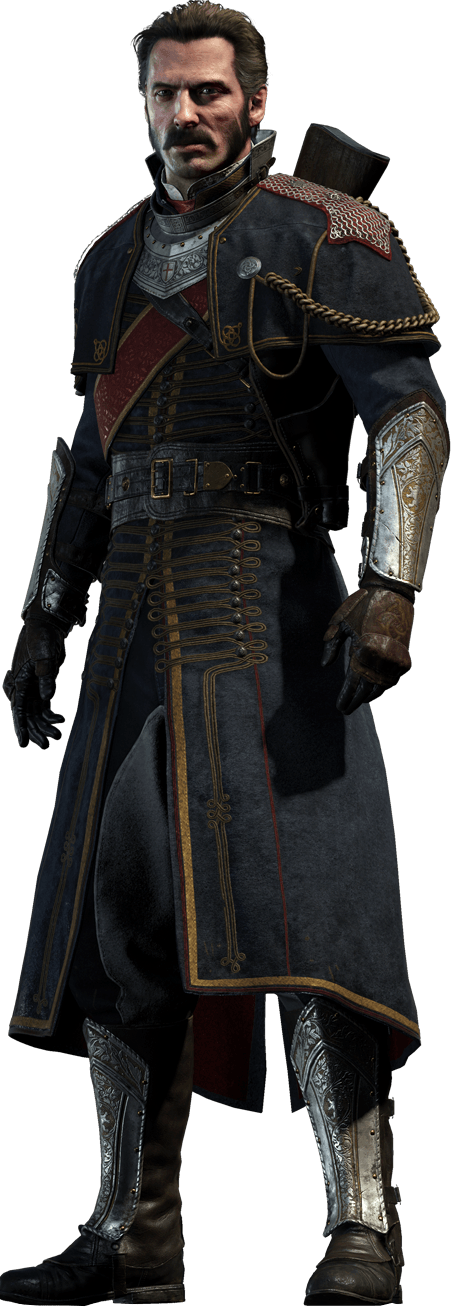
It felt as though the majority of the game play of The Order: 1886 was cut scenes and quick time events. You get so used to sitting there watching events unfold without you that you are often surprised when you do have to occasionally hit a button. There were a few points in the game when I was sat in disbelief, such as when you’re watching the characters watch a lycan transform, or watching rebels stand there talking - just shoot them! Why sit there and watch, when you could be acting and saving yourself some bother? But then that just pretty much sums up the game, you’re more of a voyeur than a participant. The Order: 1886 feels more akin to that of a graphic adventure game with the amount of interaction from the player, however, it lacks the amazing narrative of popular graphic adventure games.
There are times when The Order: 1886 tries to keep you entertained with various activities to detract from the monotonous game play, such as playing with gadgets and lock picks. However, these are far too easy to overcome, they present absolutely no challenge and little respite from the onslaught of cut scenes.
In total there are sixteen chapters to the game that all range in length. I didn’t rush through The Order: 1886, nor did I explore it to its fullest as I would have if I were aiming to get all the trophies. I played through at my leisure, discovering some of the collectibles and generally having a root around in the environment whenever the feeling took me. I also fail pretty miserably at most games that require any ability to aim with a gun, so there were a few areas that I replayed due to my sheer lack of aiming skill. Overall, I completed the game in just shy of eight hours, however, I can see how players can easily complete the game in far less time. While short campaigns aren’t necessarily a bad thing, The Order: 1886 did not use its limited time wisely. Its lack of longevity would have been forgivable if the game play and narrative were absolutely amazing, but they weren’t and overall it made me feel rather underwhelmed.
The voice acting within The Order: 1886 was actually really good, which was a saving grace as the voice actors managed to add depth to the characters where the narrative failed to do so. The music was well-chosen for the genre and worked well within the setting. There were times when the soundtrack did something I dislike in games (and films), where you know something big is about to go down as the music gets really heavy, spoiling any chance of surprise.
A knight in shining armour - pretty but without personality
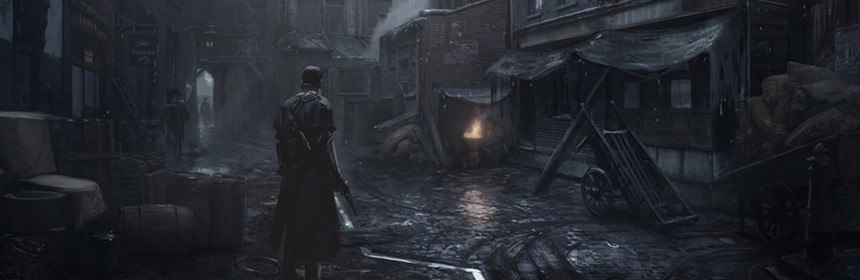
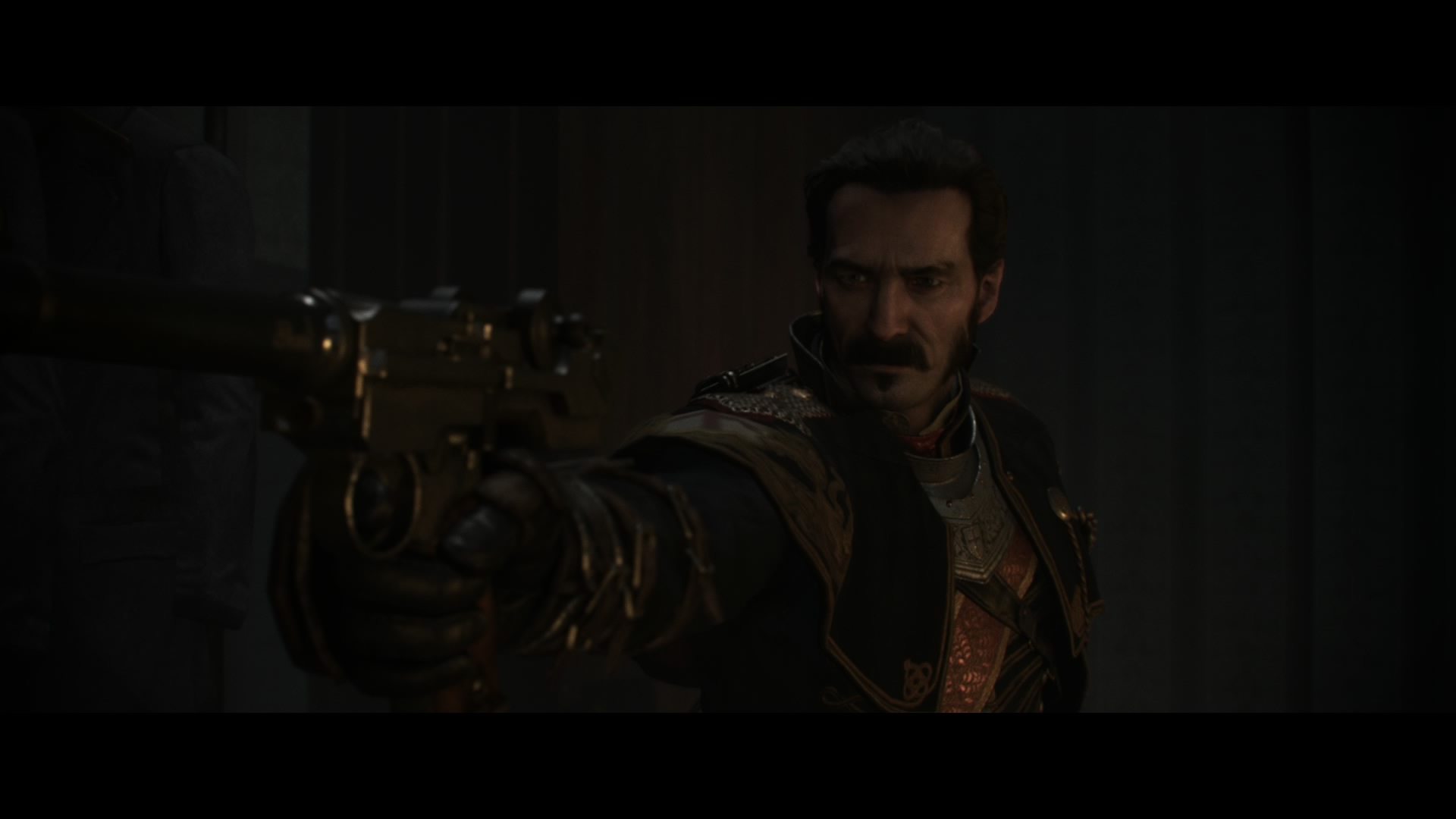
As I mentioned before, the game truly is breathtakingly beautiful and it really is something to admire. The graphics are very realistic and the use of the film grain makes the whole game look very cinematic. The Order: 1886 seems a bit vain in that it’s so beautiful it feels the need to show you how visually superb it is with cut-scene after cut scene, and a generous helping of quick time events just to further underline “look how amazing these characters look when they do this”. While the game should be applauded for how impressive it looks graphically, I feel the priorities of Ready at Dawn were really in the wrong place. I could have happily lived with the graphics being more inferior if more attention had been given to improve the game play and narrative.
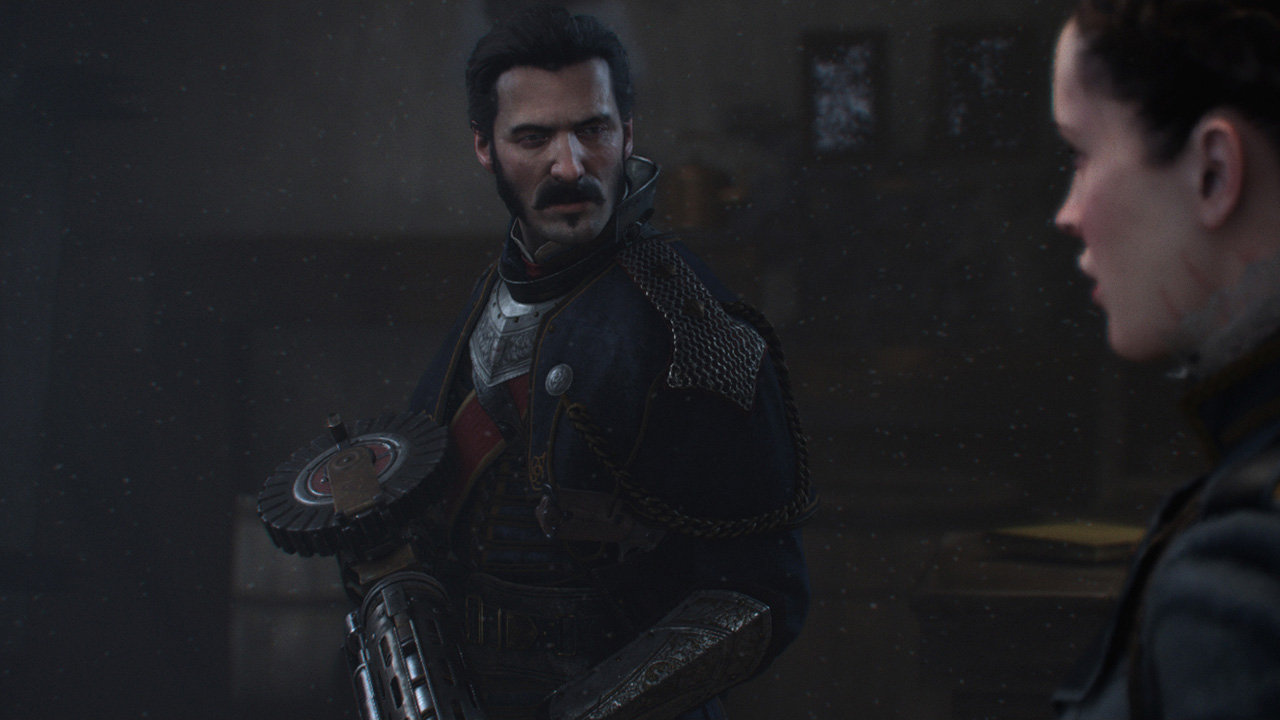
The plot of The Order: 1886 was one of the things that first drew me to the game. An ancient order of knights that began with King Arthur and his knights of the round table, set in an alternate history world in a fight against lycans and vampires? Count me in! The problem was that the game doesn’t really delve into any of this background and seemed to gloss over most content that could have potentially been really interesting. The premise is the game’s most interesting feature and yet it is utterly under-utilised. There seemed to be so many elements of the game that I expected to be expanded upon but never were. So many questions arose from my play through and not many answers were given. Who was the old man who Malory was seen speaking to? Was he the same person who helps Galahad when he is injured? Why did Sir Bors give Lakshmi the Blackwater? Why hasn’t Sir Bors been seen since the quest for the holy grail and what took him to India?
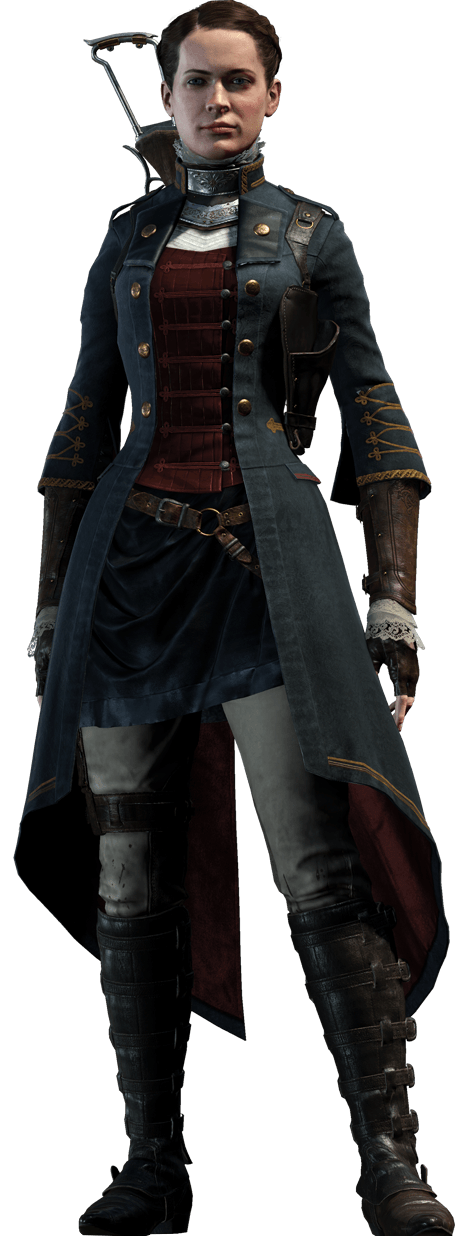
Although I can appreciate leaving the story open for DLC or sequels, it feels as though the game barely scratched the surface of the world of The Order: 1886 and I was left feeling unsatisfied. Equally so, we barely get to know the characters. Relationships and personalities are hinted at, but never fully formed or explained, leaving the characters a bit stereotypical and two-dimensional.
You’re not given many details about anything really and a lot of things seem to be swept under the carpet as if they were an unfinished thought. For instance, an Elder lycan appears and all the characters act as if this is a “big deal”. Not only do you defeat him with ease, the matter is simply forgotten as you begin to chase down the rebels.
Another thing is, I can’t actually pin point what the main story arc was, everything was so vague and underdeveloped that it felt as though not a great deal happened. There are multiple times where it feels as though some bigger mystery is about to unfold, such as the hospital and the half breeds, at first I thought maybe patients were being infected there, but then you’re whisked away on a zeppelin to stop the rebels. Lycans are all but forgotten at this point apparently.
In fact, there is no closure or real events with the half breeds, even though the game is supposed to revolve around the ongoing battle between humanity and the half breeds. Sure you uncover the plot of the vampires to travel to other continents, yet nothing ever gets done about it really. You didn’t even take out the head vampire. The only closure you get is that you take out a traitor in the order, you know, that twist that was totally not obvious at all… Who didn’t see that coming? It was painfully obvious and cliché.
On a positive note, there were some great factual tie-ins in the plot, the appearance of historical figures such as Tesla and historical events such as the Jack the Ripper murders etc. These all worked really well, in fact, I think the game could have benefited from a few more connections to history as we know it.
Verdict
I think it’s fair to say that The Order: 1886 was a let down to many in regards to what players were expecting to receive. The game had such promise in terms of narrative and what it could have done with the game play, yet it failed to deliver on both. Ultimately it was a brilliant idea that was executed poorly. However, I wouldn’t completely disregard it. The game is still enjoyable, I just wouldn’t recommend paying full price for it otherwise you’ll feel a bit ripped off. When it discounts to about half the price, it’s definitely worth picking up if you enjoy this genre of game. Additionally, if the story is expanded upon and explored further in future DLC, the premise was interesting enough for me to consider buying it. However, it had better explore the plot and the surrounding elements a lot more thoroughly than the main game managed to achieved.



Pingback: Which console has 2015's best exclusives? - GeeksDontLie()